
Does Homeowners Insurance Cover Mold Remediation?
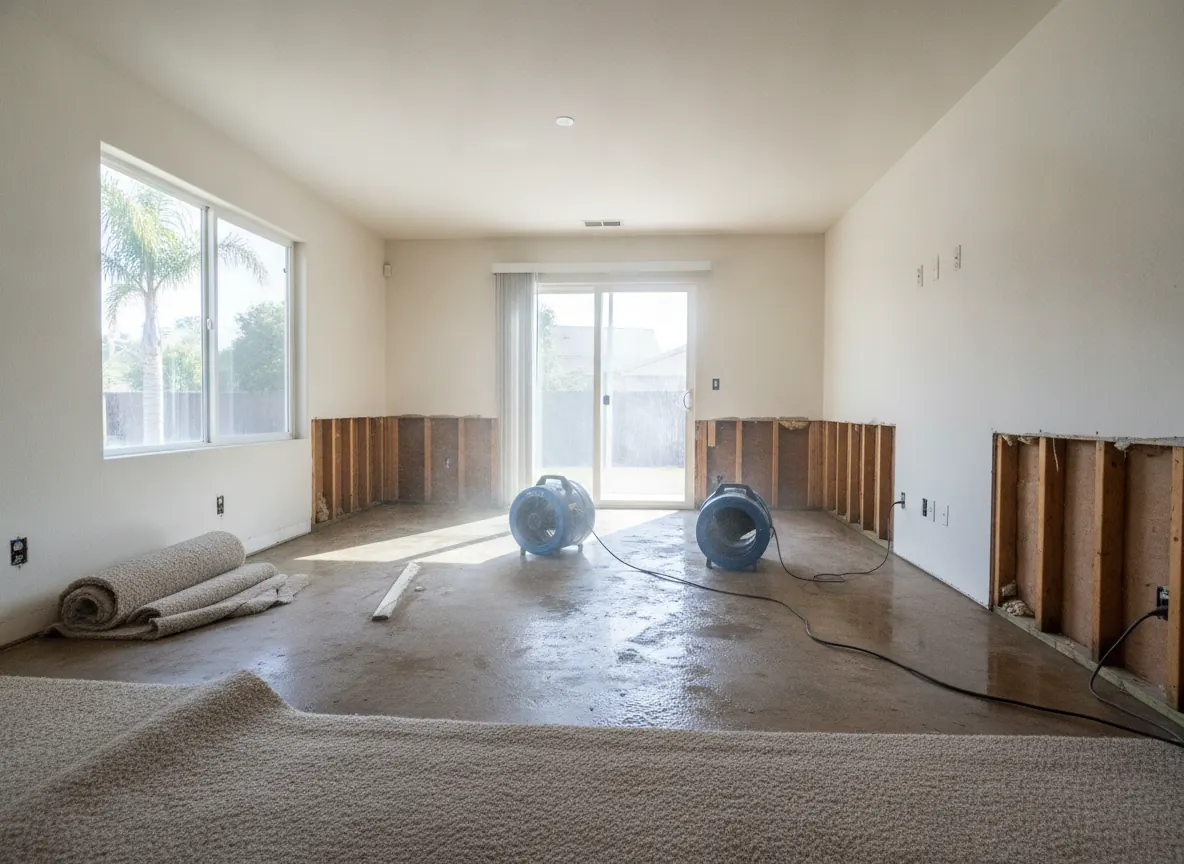
You found mold in your San Diego, CA home, and the next question is whether your homeowners policy will pay to remove it. In California the usual answer is no for mold on its own, and maybe for mold that follows a sudden, covered water loss. The wording in your policy decides it, so this guide uses the California Department of Insurance's own language and shows you what to check.
The short version. CDI's Residential Insurance Guide (revised January 2026) says mold and flood are usually excluded. "Sudden & accidental water damage" is typically covered; water damage from seepage or leaks is not. If the mold came from a covered event, part of the cleanup may be covered, often with limits. Read your declarations page and endorsements, and never assume coverage.
What CDI's January 2026 guide says
- "Earthquake, flood, mold, earth movement, and 'wear and tear' are some of the perils that are usually excluded."
- Typically covered: "Sudden & accidental water damage."
- Typically not covered: water damage caused by seepage or leaks.
- "Insurance coverage for losses resulting from floods is generally not provided in a homeowners or renters policy."
- National Flood Insurance Program limits: "$250,000 for the structure and $100,000 for its contents."
CDI also publishes a Residential Property Claims Guide that discusses water damage and mold. If your claim is disputed, CDI is the state agency that handles insurance consumer complaints.
Covered cause vs. excluded cause
Insurers usually look at why the mold grew, not just that it is there. A rough way to sort it:
| What happened | How it usually reads under CDI's wording |
|---|---|
| A supply line bursts and soaks a wall | Sudden and accidental water: typically covered; related mold may be partly covered, depending on the policy |
| A toilet or shower leaks slowly for months | Seepage or leaks: typically not covered |
| Condensation in a closet or on window sills | Long-term humidity or maintenance: usually not covered |
| Storm water floods in from outside | Flood: generally excluded; needs a flood policy |
| Roof leak during a winter storm | Depends on the policy and on whether the roof was already worn; ask your insurer |
Some policies include a limited amount of mold coverage tied to a covered water loss, either inside the policy or by endorsement. The amount varies, and we do not quote a dollar figure. Look for the words "fungi," "mold" or "microbial" in the exclusions and endorsements.
Why this matters in San Diego
San Diego is dry by rainfall: about 9.79 inches a year at Lindbergh Field, with about 83% falling November through March (NOAA 1991–2020 normals). Most mold here starts with plumbing leaks, roof leaks during the few big storms, shower pans, and condensation in closed-up rooms near the coast, where summer early-morning humidity runs around 80% (approximate, computed from NOAA hourly normals). Many of those causes are slow, which is exactly what CDI's wording tends to exclude.
Flood is the other big gap. On January 22, 2024, Lindbergh Field recorded 2.73 inches in one day (NOAA), and Chollas Creek flooded homes in Southcrest and Shelltown. FEMA declared DR-4758 for San Diego County with Individual Assistance. Wikipedia's account of National City notes that many residents there lacked flood insurance. A homeowners policy generally would not have covered that flood water. The water damage and mold page covers flood jobs.
What to do when you find mold
Stop the water
Shut off the supply, tarp the roof or call a plumber. Most policies expect you to prevent further damage.
Start drying
EPA advises drying water-damaged areas and items within 24–48 hours to help prevent mold growth.
Document
Photos and video of the mold, the source and the damage, with dates. Keep damaged parts if you can.
Read your policy
Your declarations page, the water and mold exclusions, and any endorsements.
Report the loss promptly
Describe what happened and when you found it. Ask what is covered and get the answer in writing.
Get written quotes
A clear scope from independent companies helps you and the adjuster compare. Do not sign for work you expect insurance to pay for until you hear back.
Things to watch for
- Claims of insurer approval. A company saying it works with insurers does not make it better qualified. Judge companies on their scope, license and references.
- Licensing. California does not license mold inspection or remediation as its own trade, so checking credentials is up to you. The CSLB license classifications include no mold class. A CSLB license is required for repair work of $1,000 or more, any job needing a permit, or any job with a crew. Ask for IICRC or ACAC certifications and an insurance certificate.
- Contracts. Home improvement contracts over $500 must be in writing (B&P §7159). If you sign at home, you generally have 3 business days to cancel (5 for seniors), and 7 business days for repairs after a declared disaster (Civil Code §1689.6).
- Door-knockers after storms. Unlicensed repair work after a declared disaster is a crime in California (B&P §7028.16). Check the license before you sign.
- Testing claims. California never adopted mold exposure limits, and CDC does not recommend mold testing to decide whether to remove mold. Testing can still help after cleanup to check the work, ideally by an independent party.
Paying when insurance says no
If the claim is denied, you still have choices. Get several written quotes so you can compare scope and price. Published national estimates put typical jobs at about $1,200–$9,000 (Fixr, Aug 2025; This Old House, Mar 2026), and the San Diego cost guide has the full table and a calculator. Fixing the moisture source first keeps the problem from coming back. For condos, HOA and seller situations, see Who pays for mold remediation?
Common questions
Does homeowners insurance cover mold remediation in California?
Usually not for mold on its own. CDI lists mold among perils usually excluded. If mold follows a sudden, accidental water loss that the policy covers, some policies may pay for part of the cleanup, often with limits. Check your declarations page and ask your insurer.
Is mold from a slow leak covered?
Usually not. CDI's guide lists water damage from seepage or leaks as typically not covered, and wear and tear is a common exclusion. That is why a leak found early and reported promptly is easier to deal with than one discovered months later.
Does homeowners insurance cover mold after a flood?
Generally not. CDI says flood losses are generally not covered by a homeowners or renters policy. Flood needs a separate policy, such as one from the National Flood Insurance Program, which offers up to $250,000 for the structure and $100,000 for contents.
Should I get a mold quote before I call my insurer?
You can do both. Stop the water and start drying first, document everything, and report the loss promptly. Written quotes from independent companies give you and the adjuster a clear scope to compare, but get the insurer's answer before signing for work you expect it to pay for.
San Diego Mold Experts is a free quote service, not a mold company. You describe the problem once, and independent mold inspection and remediation companies serving San Diego, CA and nearby San Diego County towns may reply with quotes. Companies may pay to receive requests or calls, and they reply on their own schedules. Request free quotes or call (619) 489-9035.