
Who Pays for Mold Remediation? Tenants, Landlords, HOAs and Sellers
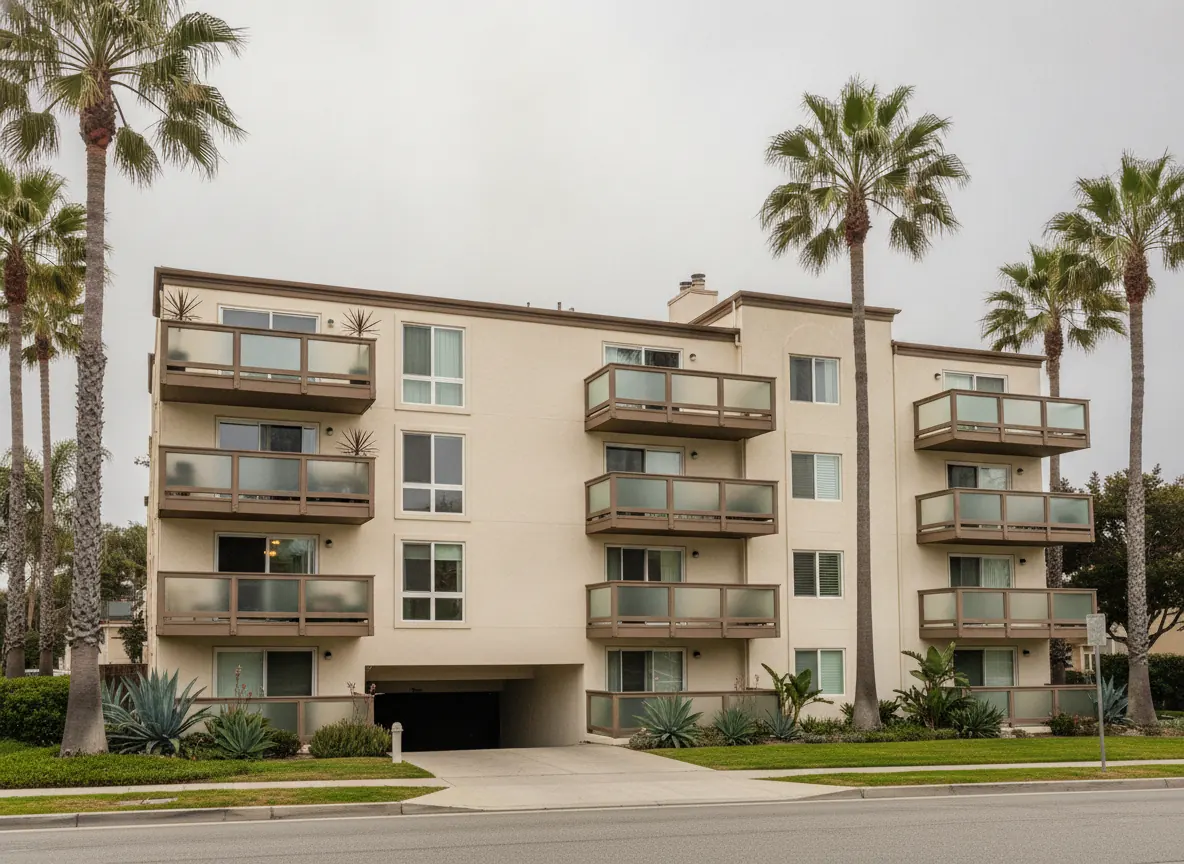
Mold rarely lands on just one person. A leak in a condo above you, a rental with a bathroom that never dries, an attic you find during a home inspection: each one raises the same question in San Diego, CA. Who pays to fix it? The answer depends on who owns the part of the building that failed, what the lease, CC&Rs or purchase contract says, and whether an insurance policy covers the cause. This guide sorts the common situations.
The short version. Owners usually pay for their own homes, unless insurance covers a sudden water loss. Landlords are generally responsible for fixing mold in rentals once they have notice. In condos, your CC&Rs and the source of the water decide it. In a sale, it is negotiated. Not legal advice; for your situation, talk to a qualified professional.
Homeowners: you, unless the cause is covered
If you own a single-family home, the cost is usually yours. Insurance may help when the mold follows a covered event. The California Department of Insurance's Residential Insurance Guide (January 2026) says mold and flood are usually excluded, "Sudden & accidental water damage" is typically covered, and water damage from seepage or leaks is not. Check your declarations page, and never assume coverage. The homeowners insurance guide goes through the wording and the steps.
If a neighbor's leak caused the damage, such as a shared fence line drain or an upstairs unit, their insurer or the HOA may be involved. Document everything and report it in writing.
Tenants and landlords
California law gives renters specific tools. In brief:
- Visible mold can make a rental legally substandard once a health or code enforcement officer finds it (H&S §17920.3(a)(13)).
- The landlord's duty to repair mold starts after notice (Civil Code §1941.7), and does not apply if the tenant caused it by breaking the tenant duties in §1941.2.
- Retaliation for a good-faith complaint is restricted for 180 days (Civil Code §1942.5).
- Repair-and-deduct (Civil Code §1942) has strict limits. Get advice before using it.
The tenant's renters policy covers belongings and liability, not the building; see Does renters insurance cover mold in California? The full step-by-step for tenants and landlords is on the rental, condo and HOA mold page, so we will not repeat it here. In privatized military housing, start with your housing office. This is not legal advice.
About 52.7% of homes in the City of San Diego are renter-occupied (Census ACS 2020–24 5-year), so this is the most common "who pays" question here. Landlords and property managers can also request quotes; for repair work of $1,000 or more, the contractor needs a CSLB license.
Condo owners and HOAs
Condos are where responsibility gets tangled. The question is usually which part of the building the water came from and what your governing documents say about who maintains it.
| Where the water came from | Who to talk to first |
|---|---|
| Your own sink, toilet, shower or appliance | Usually starts with you and your own condo policy |
| A common-area roof, exterior wall or shared pipe | The HOA board or manager, in writing |
| A neighbor's unit | The neighbor, their insurer and the HOA |
| Not clear yet | Get the source found before anyone argues about cost |
We have not researched California's condo maintenance rules in detail, so we do not tell you who pays. Check your CC&Rs, read the HOA's master policy summary and your own condo policy, and report the problem to the HOA in writing with photos. For a dispute, talk to a California attorney who handles HOA matters.
One rule that affects cost in larger buildings: San Diego County APCD Rule 1206 applies to renovation in buildings with five or more dwelling units. A survey for asbestos is required before renovation, and work disturbing 100 square feet or more needs notice 10 working days before work starts. That survey can be part of the bill. Coastal condo complexes with stucco walls can hide leaks at windows and doors, so finding the source can take some work.
Buyers and sellers
When mold turns up during a sale, the cost is usually negotiated rather than assigned by a single rule. Common outcomes are a repair by the seller before closing, a credit to the buyer, or a price change. California's Toxic Mold Protection Act includes seller disclosure rules, but they depend on state standards that were never adopted: the state health department concluded in 2005 that science-based exposure limits could not be set. Your agent or a real estate attorney can tell you what the seller must disclose under other California rules and what your contract allows.
- Buyers: ask for written quotes during your inspection period so the negotiation is based on a real scope, not a guess.
- Sellers: fix the moisture source first, keep records of the work, and keep the contractor's license number and invoice.
- Both: independent clearance testing after the work gives both sides a record. CDC does not recommend testing to decide whether to remove mold, but testing can help check finished work.
After a flood or declared disaster
On January 22, 2024, Lindbergh Field recorded 2.73 inches of rain (NOAA), and Chollas Creek flooded homes in Southcrest and Shelltown. Flood is generally excluded from homeowners and renters policies (CDI); flood coverage comes from a separate policy, such as the National Flood Insurance Program. FEMA's DR-4758 declaration for that storm offered Individual Assistance. After a declared disaster, you generally have 7 business days to cancel a repair contract signed at home (Civil Code §1689.6), and unlicensed repair work is a crime (B&P §7028.16).
What it costs, whoever pays
Published national estimates put typical jobs at about $1,200–$9,000 and about $10–$30 per square foot (Fixr, Aug 2025; This Old House, Mar 2026). These are not quotes. The San Diego cost guide has the full table and a calculator. California does not license mold inspection or remediation as its own trade, so checking credentials is up to you. The CSLB license classifications include no mold class. Whoever pays should check the CSLB license, IICRC or ACAC certifications, an insurance certificate, and a written contract for jobs over $500 (B&P §7159).
Common questions
Who pays for mold remediation in a rental in California?
Generally the landlord, once the landlord has notice of the mold (Civil Code §1941.7), unless the tenant caused the condition. Report the mold in writing and keep a copy. This is not legal advice; a tenant-rights resource or attorney can help with your situation.
Is the HOA responsible for mold in my condo?
It depends on where the water came from and what your CC&Rs say about maintenance of common areas and units. A leak from a common-area roof or a pipe in a shared wall may be handled differently from a leak at your own fixture. Check your CC&Rs and ask the board or manager in writing.
Does the seller have to pay for mold found during an inspection?
Not automatically. Who pays is usually negotiated in the purchase contract, through a repair request, a credit or a price change. Ask your real estate agent or attorney what the seller must disclose and what your contract allows.
Will my homeowners insurance pay for mold remediation?
Usually not for mold on its own. The California Department of Insurance lists mold among perils usually excluded, while sudden and accidental water damage is typically covered. Check your declarations page and ask your insurer.
San Diego Mold Experts is a free quote service, not a mold company. You describe the problem once, and independent mold inspection and remediation companies serving San Diego, CA and nearby San Diego County towns may reply with quotes. Companies may pay to receive requests or calls, and they reply on their own schedules. Request free quotes or call (619) 489-9035.